Analysis of Arthropod Diversity Responses to Cattle Pasture on an Abandoned Landfill (CowPad)
Aim
In the project “Analysis of Arthropod Diversity Responses to Cattle Pasture on an Abandoned Landfill” (CowPad – Cows, Pasture, Arthropod Diversity), the NABU Working Group Entomology in Cologne investigates the effects of low-intensity cattle grazing on arthropod communities in a grassland conservation area in Cologne, Germany. As a member of the working group, I contribute my expertise in spider biology, which has helped shape the project’s focus on two key taxa, spiders and beetles. The project contributes to national and European efforts to understand landscape change and to evaluate measures aimed at counteracting insect decline.
Background
The study is conducted in a false oat-grass (Arrhenatherum elatius) meadow within a nature reserve in Cologne, a habitat type now considered endangered in Germany. A phytosociological survey in June 2025 revealed high nitrogen levels and dominance of tall grasses, limiting herb diversity. Since July 2025, Heck cattle—a robust back-bred form of the aurochs—have been introduced to counteract this development. Through low-intensity grazing, they create a mosaic of short and tall vegetation and bare soil, altering microclimate, soil properties, and plant diversity.
Hypotheses and Research Questions
The increased biotic and abiotic heterogeneity may facilitate colonisation by new arthropod species from the regional species pool. However, species differ strongly in their ecological requirements. This raises key questions: Which species benefit from grazing? Are threatened species among the “losers”? Will the resulting arthropod community be stable and support the long-term maintenance of this endangered habitat?
Project Team
NABU Working Group Entomology
Selected spider species recorded in the experimental area.
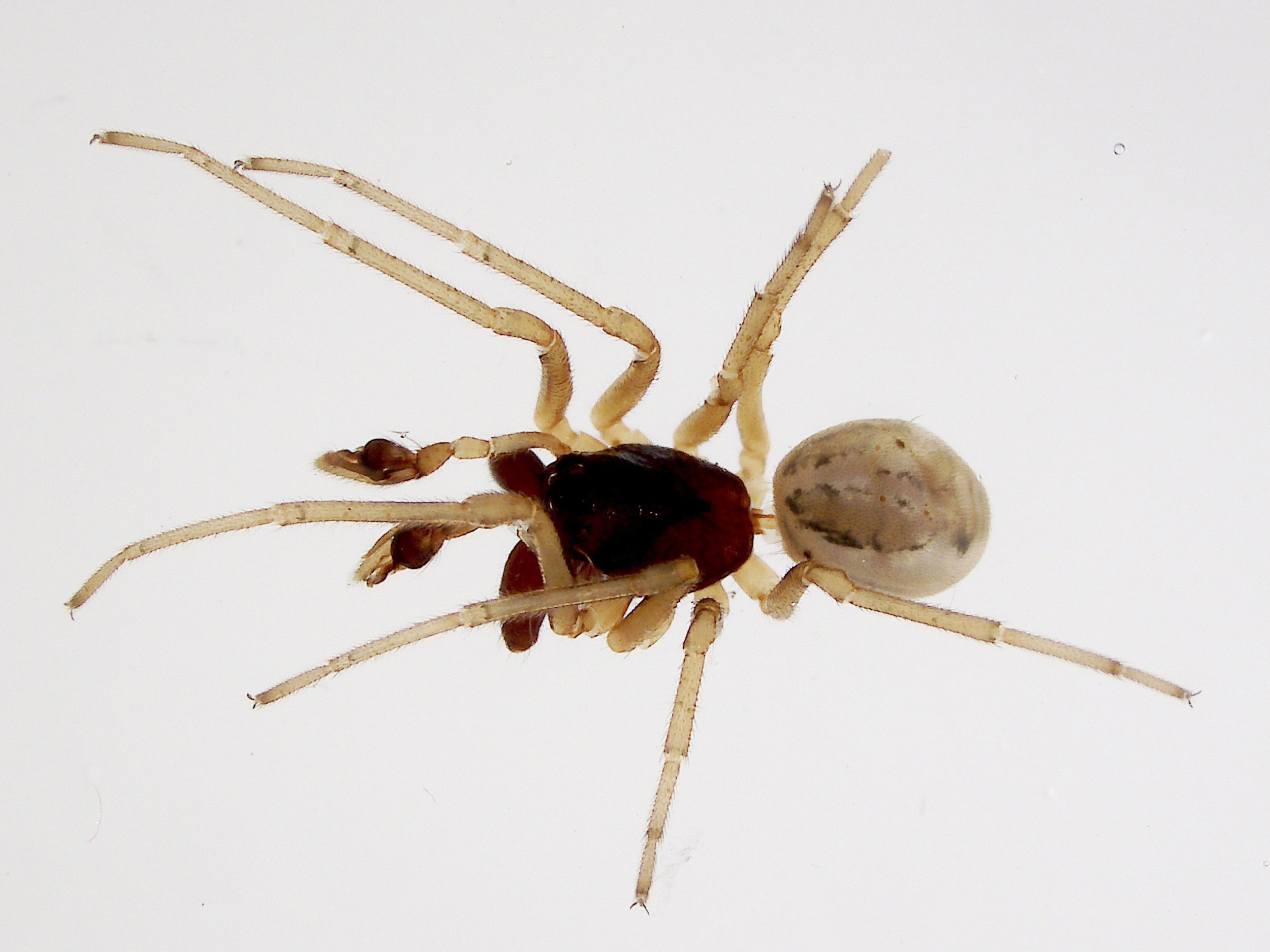
Pachygnatha deegeri
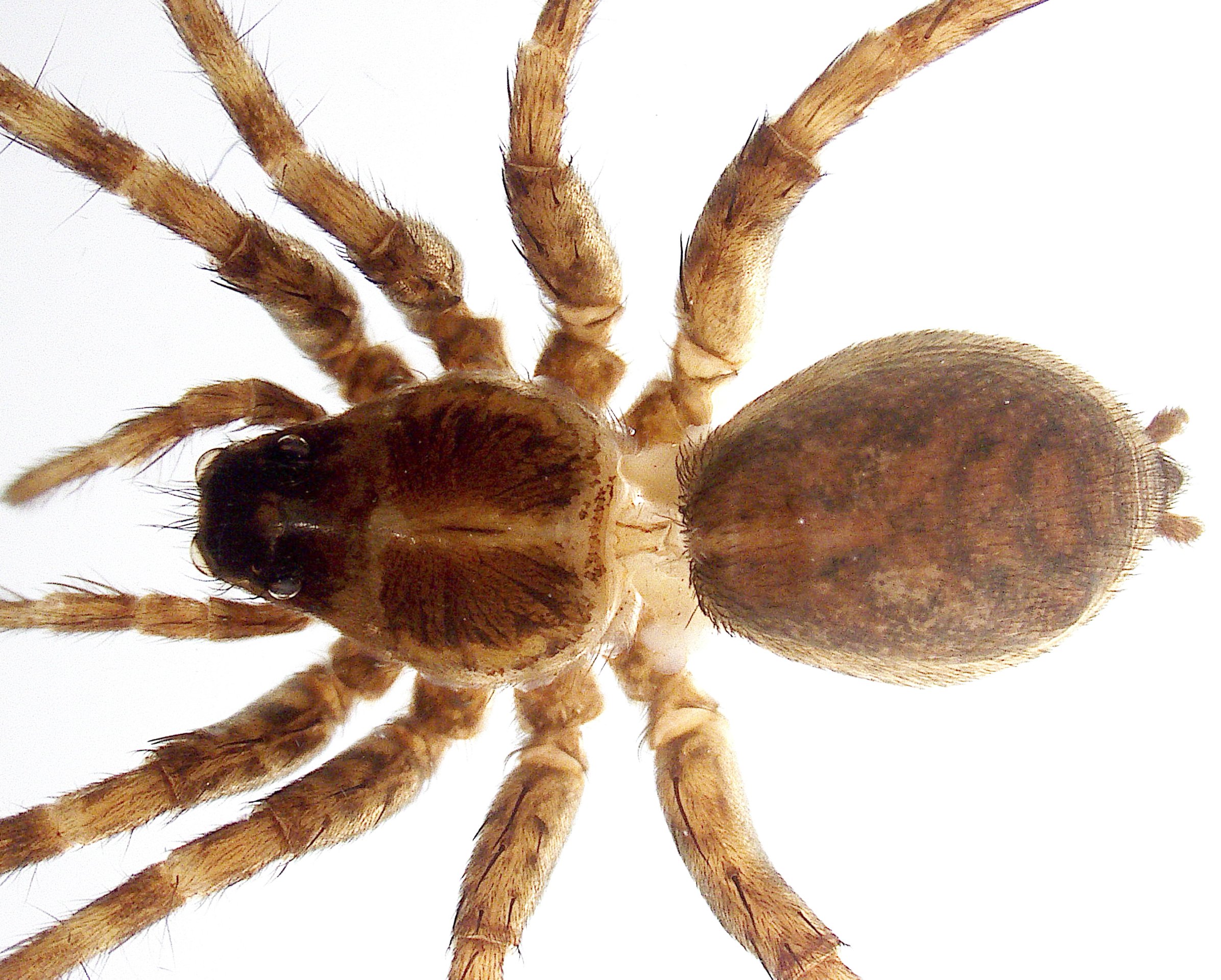
Pardosa prativaga
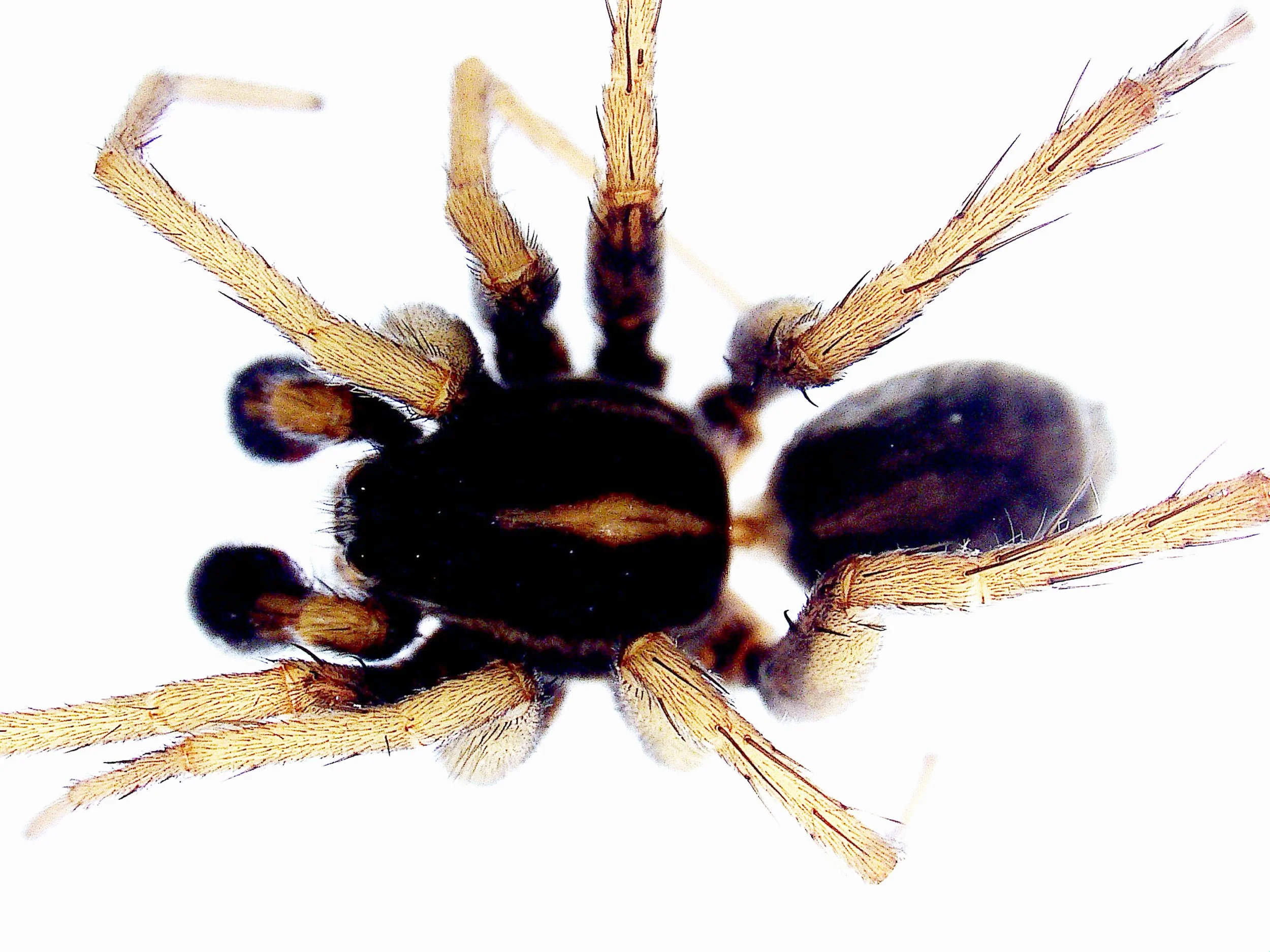
Pardosa palustris
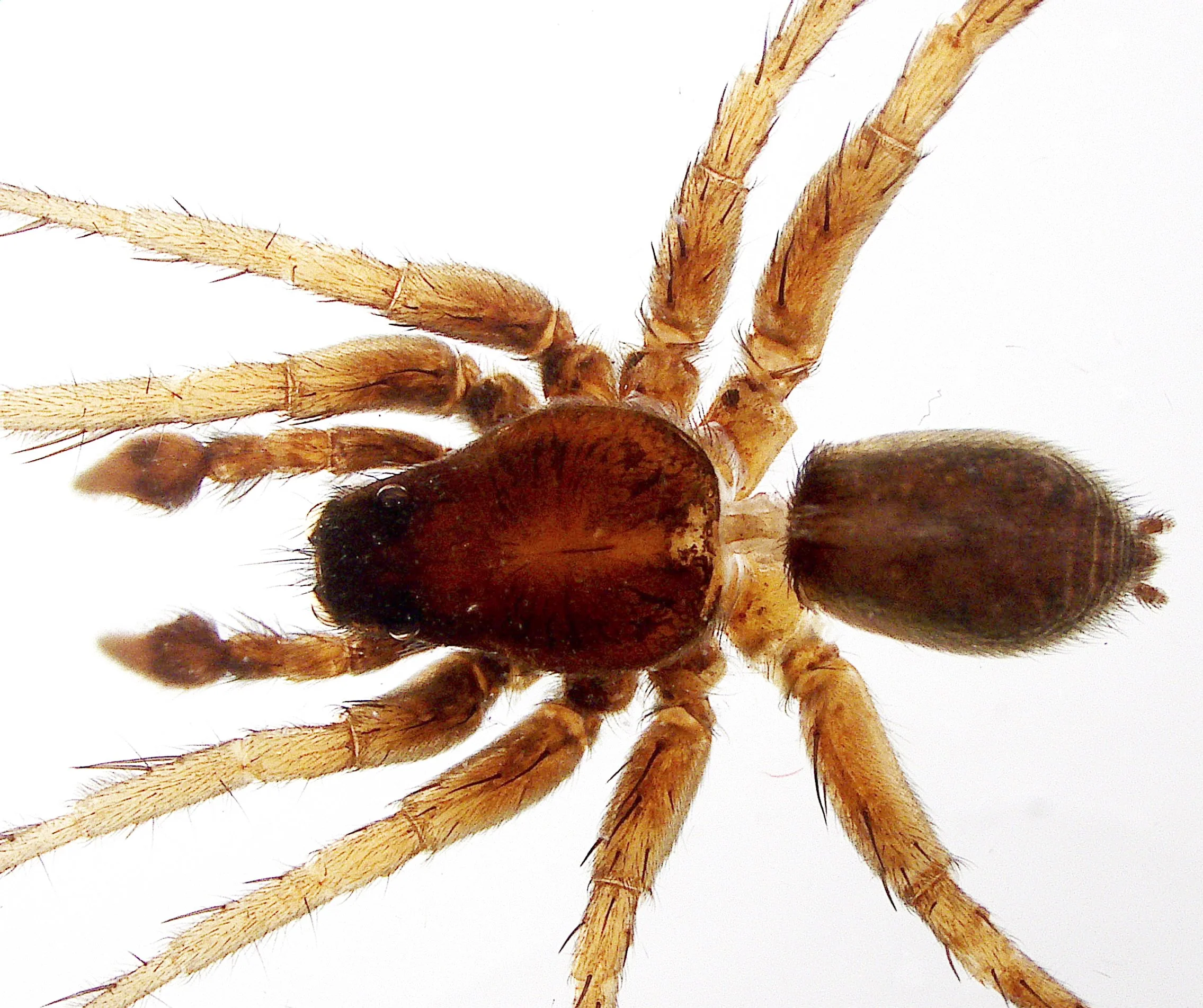
Pardosa pullata
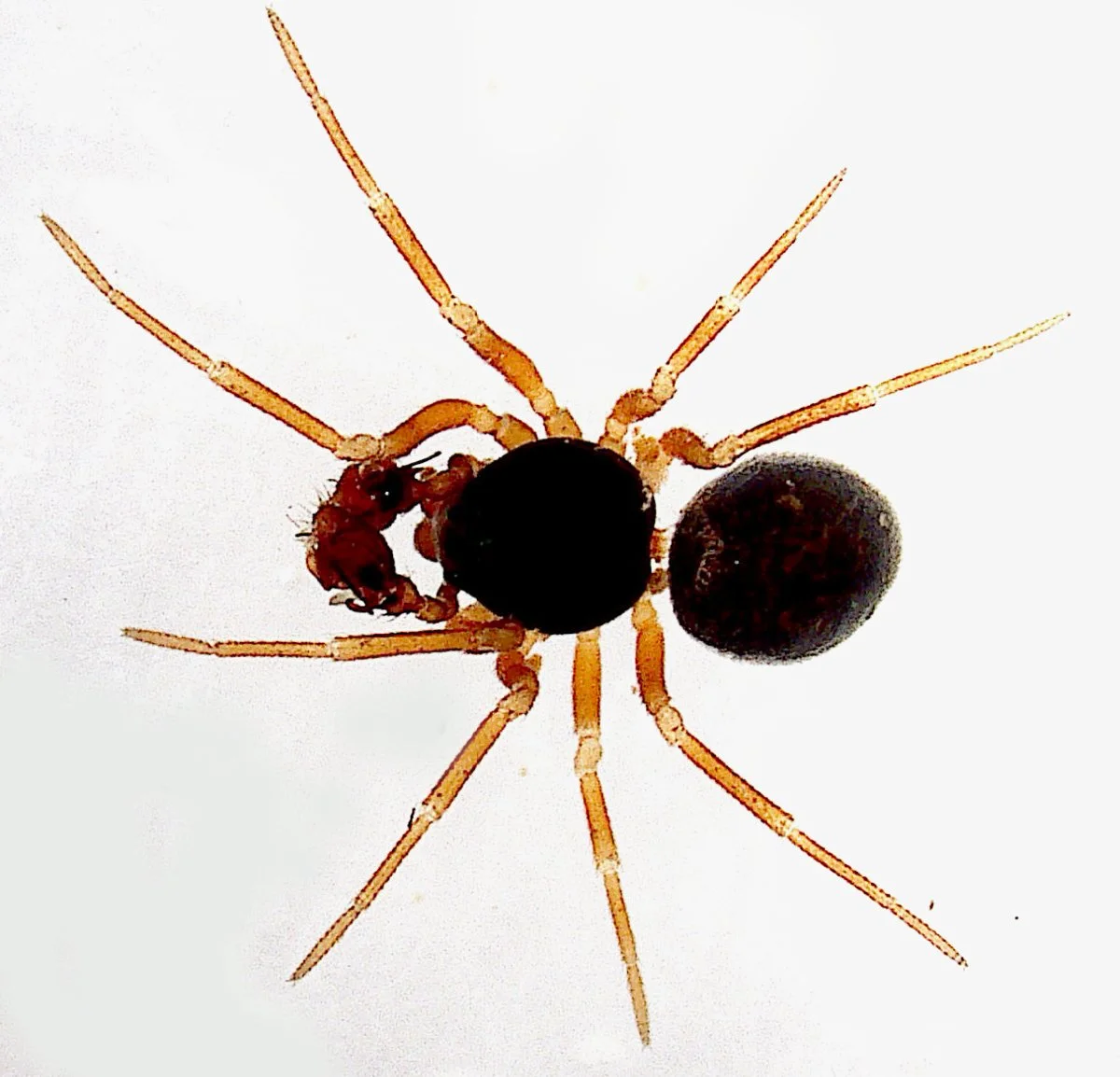
Cnephalocotes obscurus
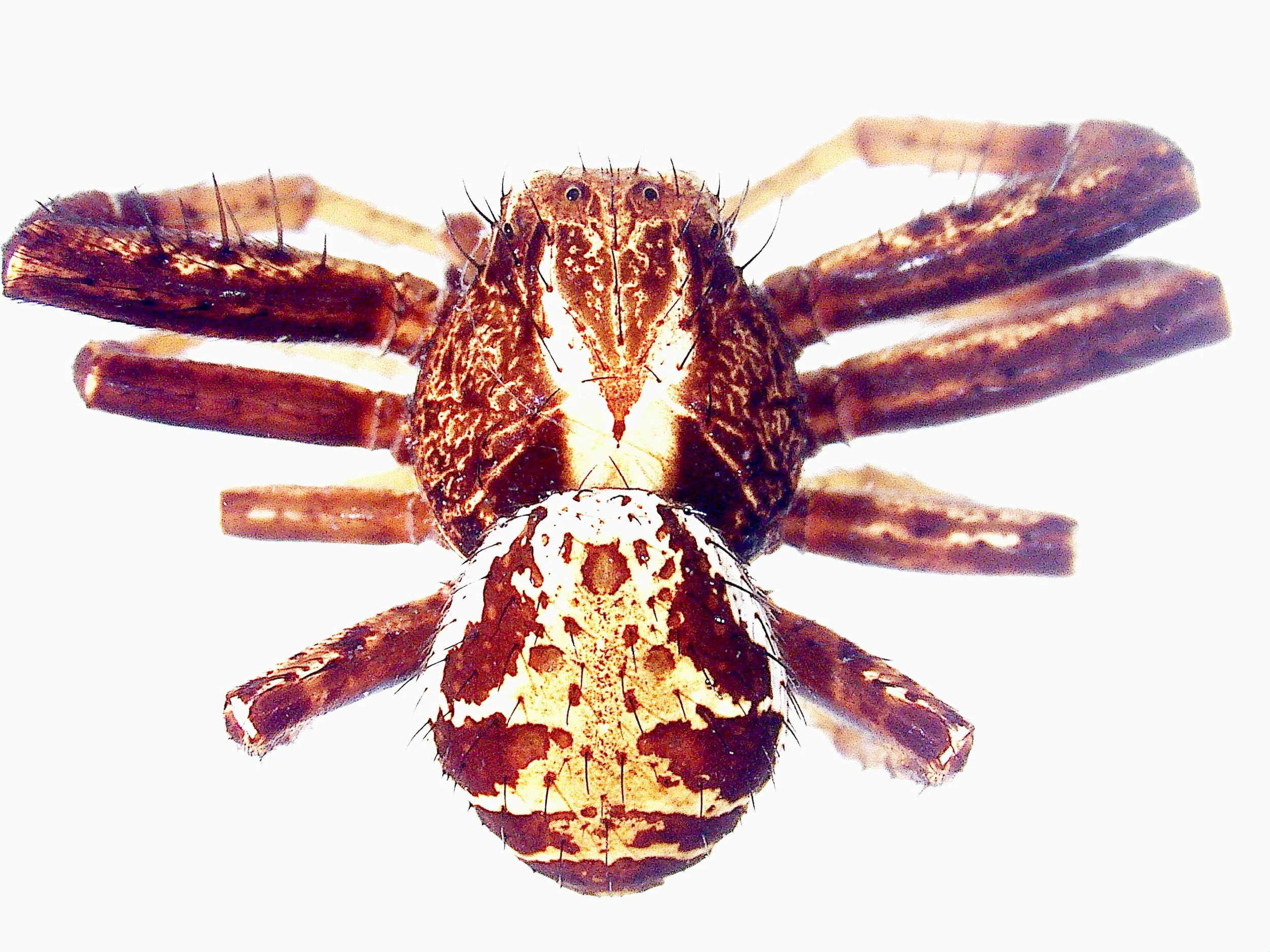
Xysticus kochi
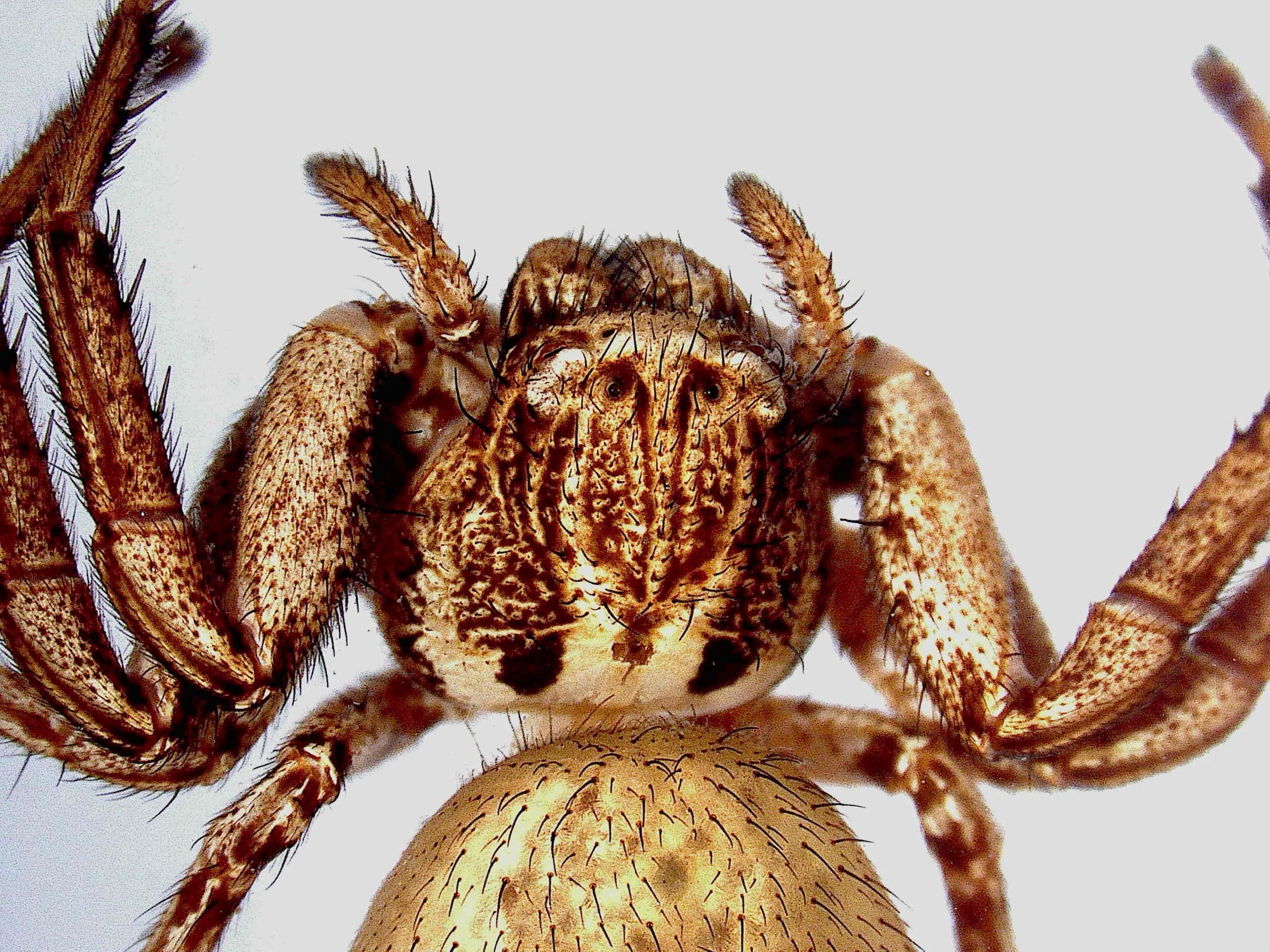
Xysticus acerbus
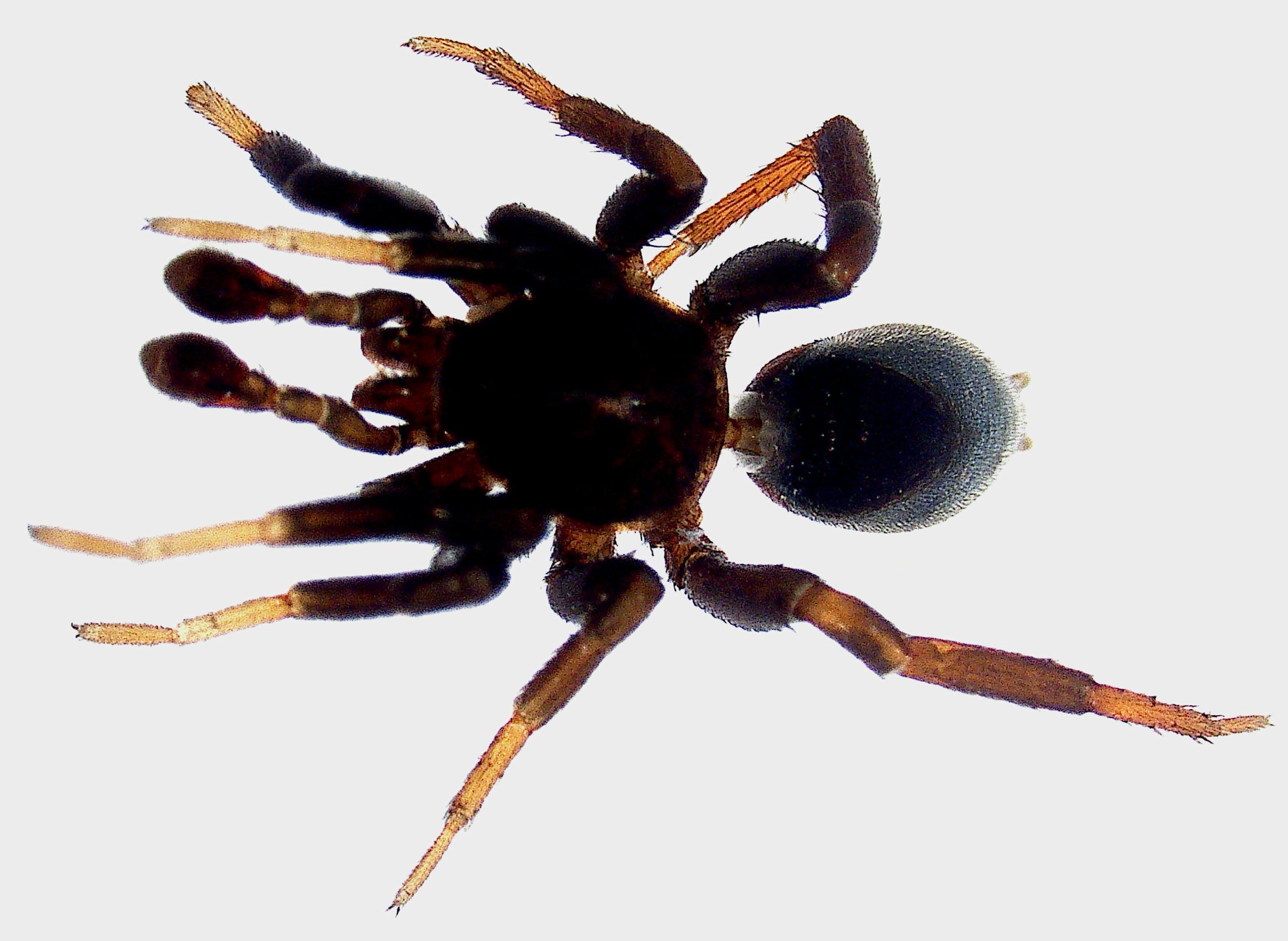
Drassyllus pusillus
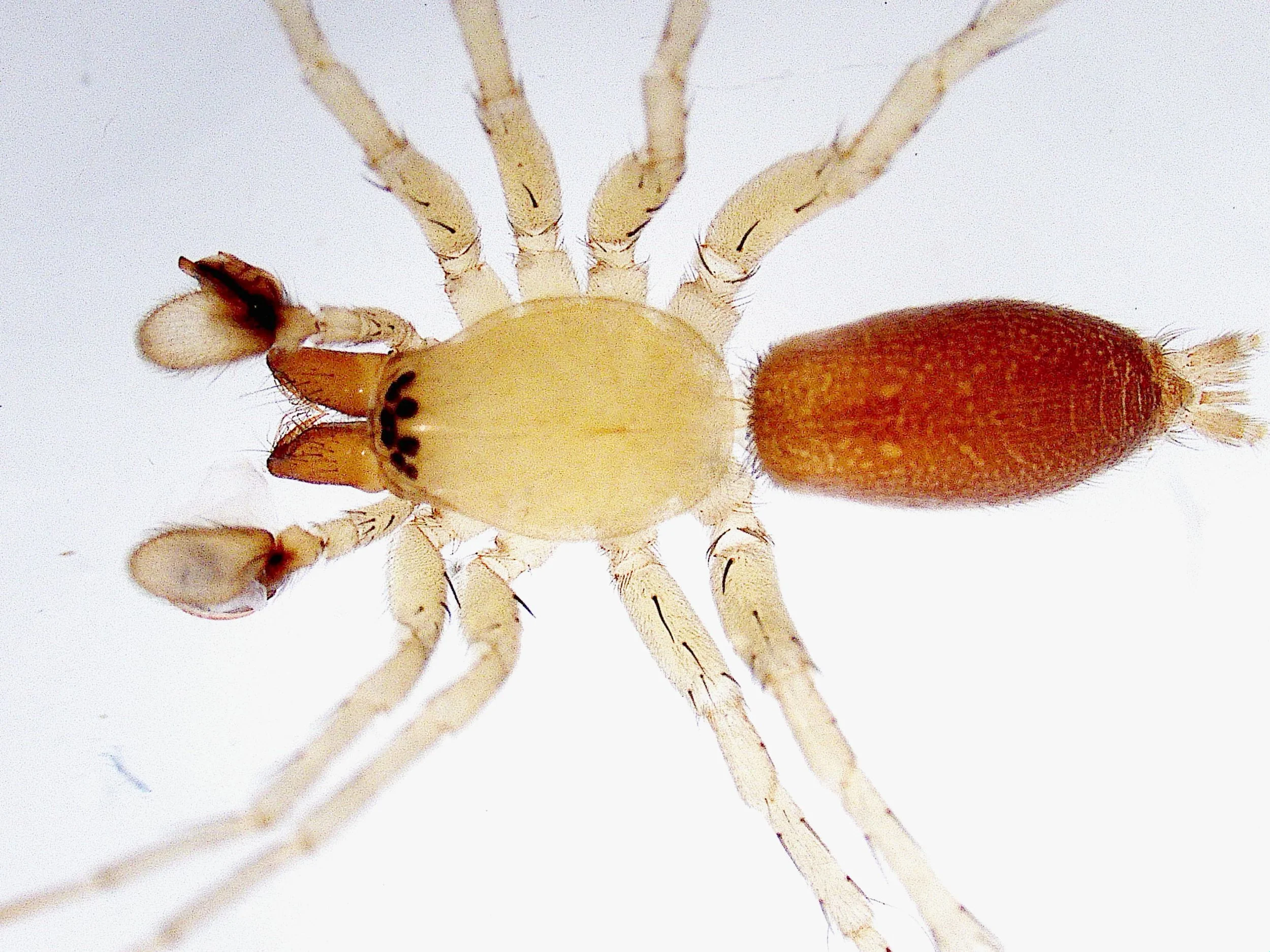
Clubiona neglecta