SpiderSense: Spider Sense Organs and Chemosensory Protein Expression - How Do Spiders Smell?
Aim
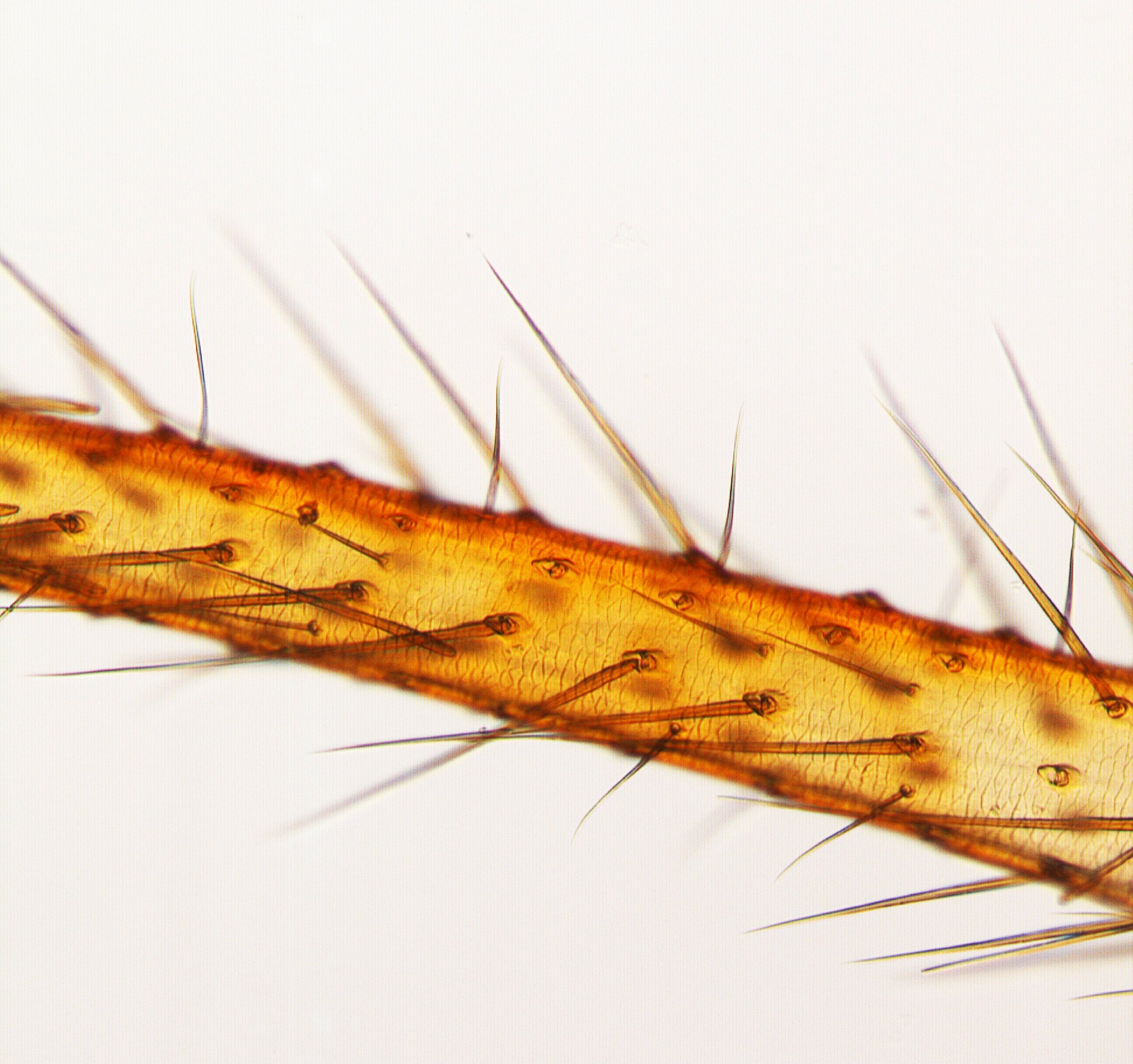
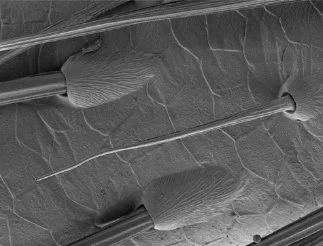
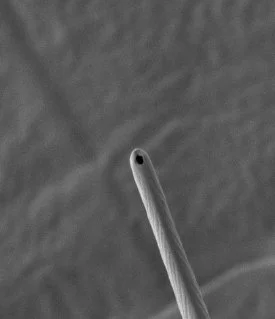
The aim of the SpiderSense project is to link previously identified chemosensory proteins in the spider Parasteatoda tepidariorum to the distribution of gustatory and olfactory organs on the appendages, where these sensory structures are most abundant. By combining molecular and anatomical approaches, we seek to understand how chemical perception is organised in spiders.
Background
Arthropods interact with their environment through specialised sensory structures, such as hairs and bristles, distributed across the body surface. These structures enable them to detect chemical, mechanical, and visual stimuli. While the mechanisms of olfaction are well understood in insects, how spiders perceive chemical cues has long remained unclear. A recent study by Talukter et al. (2025) has shown that male spiders possess olfactory organs with structural similarities to those of insects and that these organs respond to female pheromones. However, how female spiders detect odours and which ecological functions are supported by spider chemosensory organs remain largely unknown.
Chemosensory proteins, including odorant-binding proteins, chemosensory proteins, and chemoreceptors, play a central role in chemical perception by transporting, detecting, and interpreting environmental signals. These proteins enable arthropods to locate food sources, identify suitable habitats, recognise mates, and avoid predators or toxic substances. Variation in their expression and function therefore contributes directly to species-specific behaviours and ecological adaptations.
Hypotheses and Research Questions
A previous study by Vizueta et al. (2018) identified more than 800 putative chemosensory genes in the genome of Parasteatoda tepidariorum, based on sequence similarity to known receptor families such as gustatory and ionotropic receptors. If these genes function in chemosensation, we expect them to be differentially expressed in specific body regions and leg segments, corresponding to the distribution of chemosensory organs.
Furthermore, spiders lack the classical insect olfactory receptor gene family, raising the fundamental question of which molecular mechanisms mediate olfaction in spiders. By analysing tissue-specific gene expression patterns, this project aims to identify candidate proteins involved in spider olfaction and to clarify how chemical sensing has evolved in this lineage.
Project Team
Angelika Stollewerk (Principal Investigator)
Mia Serena Fourt (BSc student)
Riya Gurung (BSc student)
Asma Khichane (BSc student)
Chemosensory sensilla on the leg of Parasteatoda tepidariorum